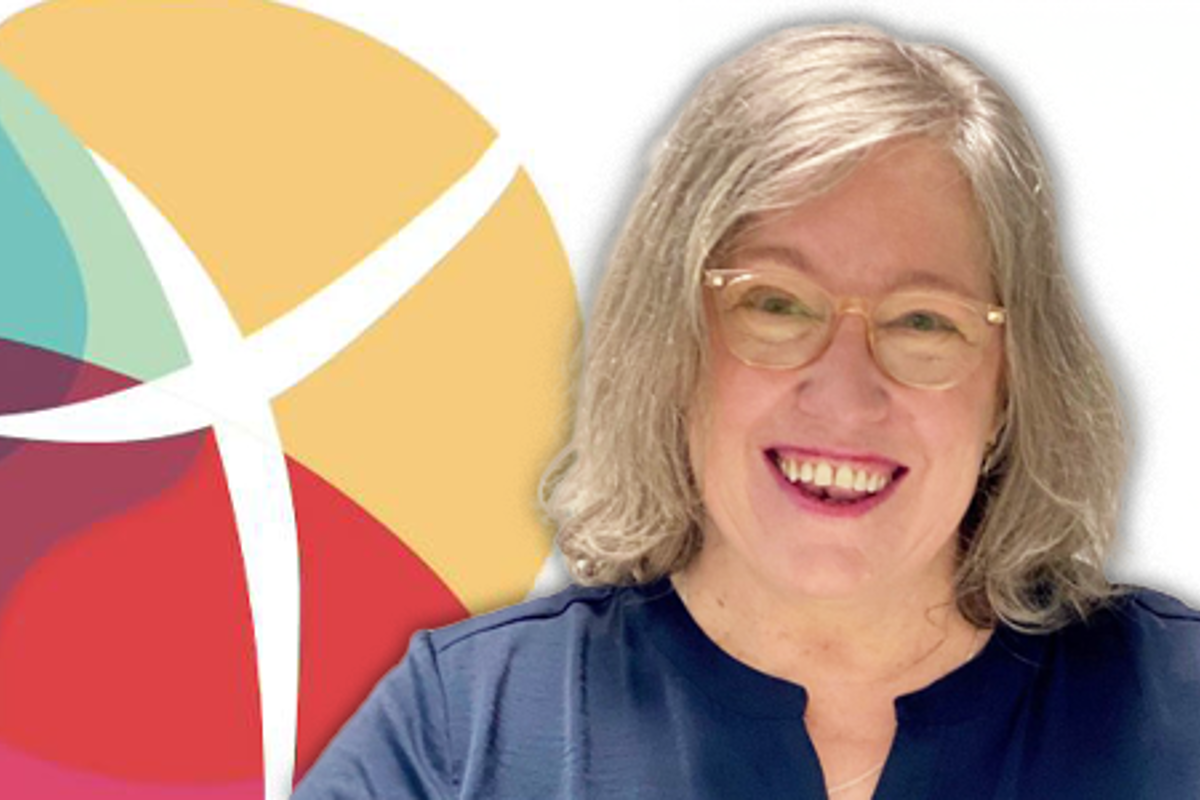
Stepping into the 3P Future
An Update from Sharon Flynn, the Transition Commission Chair
In February, the Chair of the 3P Transition Commission wrote to all Presbyteries to gather the threads of work undertaken in the Commission’s first three months. That letter now forms the basis of a broader conversation with the whole Synod as we move from twelve Presbyteries to three.
This is a significant moment in the life of our Church. It carries administrative detail and technical change, but it is also pastoral, relational and spiritual. It affects office bearers, lay and ordained staff, volunteers and congregations across the state.
Listening Before Acting
One of the first priorities of the Transition Commission has been listening. The February Conversations that Matter forum focused on lay staff serving in Presbytery support roles. It was the first forum of its kind and signalled a commitment to care for those most directly impacted by change.
Across these conversations, a wide range of responses has been expressed. Some feel excitement about innovation and new possibilities. Others feel overwhelmed or anxious. Some are ready to move forward quickly. Others are cautious and name the need to lament what is ending. Many carry fatigue after years of service and responsibility.
All of this is being heard. The Commission recognises that transition is not simply a project plan. It involves people, relationships and callings.
Where We Are Now
The technical and structural groundwork required to establish the three new Presbyteries has now been completed. Detailed documents, including the rolling workplan required by Synod resolution, are available on the Transition Commission website for those who wish to engage more deeply with the specifics.
In summary, the Commission has worked through what is required to create:
- Presbyteries by name: the formal and technical elements necessary for the new structure to operate, with the intention that key elements are in place by 1 July 2026.
- Presbyteries by nature: preparing people for governance, oversight and leadership in larger, culturally, geographically and missionally diverse contexts.
Following three months of reflection and planning, 1 September 2026 has been proposed as the transition date.
With the foundational work complete, the focus now shifts from design to participation.
Consultation, Discernment and Co-Design
From March through to mid-May, Presbyteries will receive invitations to take part in structured consultation and discernment processes. These conversations are intended to ensure that the new 3P framework is shaped not only by documents but by the wisdom and experience of the Church.
These forums will include:
- Office Bearers
- Lay employed staff
- Ordained staff
- Committee members
- Volunteers who provide vital support
The commitment is clear: no one is to be left out of the conversation.
By June, the fruits of this consultation will begin to be shared more broadly. Presbyteries will then be equipped to contextualise and adapt shared understandings within their new settings.
Key Areas of Focus
The first phase of consultation will centre on several significant areas.
1. Being a Strategic and Mission-Focused Standing Committee
The new Presbyteries will need governance structures that are both faithful and effective. Questions to be explored include:
- How do we carry forward the strategic vision of our twelve current Presbyteries?
- What governance principles, including those used by effective boards, might assist us in exercising oversight in larger and more diverse contexts?
- How will increased staff support strengthen continuity and enable clearer focus?
- What might full Presbytery gatherings look like in this new configuration?
The intention is not to discard existing vision, but to steward it wisely and embed it within a framework that supports mission.
2. The Pastoral Relations Committee (PRC)
The PRC remains central to the life of the Church. In larger Presbyteries, new questions arise:
- How will PRCs function across broad geographic and cultural diversity?
- How will authentic relationships with congregations be maintained?
- How will pastoral care for ministers and lay leaders be strengthened?
- How can education and discipleship needs be supported across varied contexts?
One anticipated benefit of the 3P model is greater staff support around administrative and property matters. This may allow PRCs to focus more directly on mission, pastoral care and discipleship.
3. Establishing the PRF and Affirming Funding
Financial sustainability underpins effective mission. Work is underway to establish the Presbytery Resource Fund and confirm funding arrangements to ensure the new structures are viable and responsible.
4. Basic Requirements of a Presbytery
Decisions will need to be prepared for the Synod Standing Committee and the 2027 Synod. This includes clarifying the regulatory language and carefully defining what responsibilities must be retained centrally and what may be delegated locally to ensure the new model functions well.
A Call to Envision
The next six months are not simply about consultation. They are about envisioning.
To envision is to imagine clearly and concretely what could be. It also leaves room for ideas that emerge through prayer and shared discernment. For the Church, envisioning includes attentiveness to the leading of the Holy Spirit.
Some will sense a call to continue discerning before stepping back after 1 September. Others will move from leadership within the twelve Presbyteries into new roles within the three. Part of faithful stewardship in this season is ensuring that existing dreams, strategies and commitments are passed on clearly to those who will carry them forward.
The three Presbytery Transition Leaders, supported by volunteer members of the Transition Commission, will continue to walk alongside Presbyteries throughout this process.
This is a time of change, but also of trust. Trust in the faithfulness of those who have served. Trust in the gifts of those stepping forward. Trust that the same Spirit who has guided the Church thus far will continue to lead us into what is next.
Grace and peace accompany us as we take these steps together.
Connect with the Transition Commission
Find all the latest material by visiting the website and by following the Transition Commission’s Facebook Group